
Currency and pricing note: US dollar conversions are approximate and use a planning rate of US$1 ≈ ₱63.50. This rate is based on the latest available Bangko Sentral ng Pilipinas reference data checked October 28, 2026. Prices, admission fees, restaurant checks, hotel rates, ferry fares, taxes, and exchange rates can change with market conditions. Confirm the current peso price and live exchange rate before booking or paying.
Vigan rewards travelers who slow down. Its best-known street, Calle Crisologo, may be compact, but the surrounding historic district holds layers of architecture, trade, food, faith, and living craft traditions. This guide offers a practical way to explore the city without pretending that a researched article is a firsthand review.
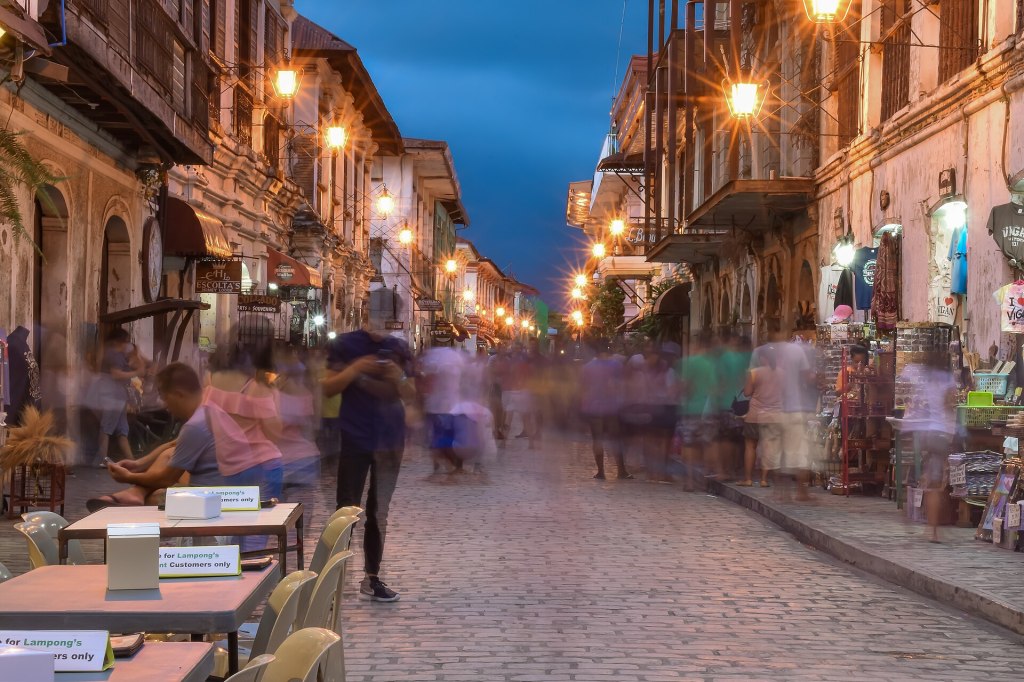
Why Vigan’s historic core matters
Vigan was established in the 16th century and developed as an important trading center on the northwestern coast of Luzon. UNESCO describes it as Asia’s best-preserved example of a planned Spanish colonial town. What makes the city distinctive is not simply a row of old houses. Its townscape brings together Filipino, Chinese, European, and Mexican influences in a form that UNESCO considers unique in East and Southeast Asia.
The Historic City of Vigan was inscribed on the UNESCO World Heritage List in 1999. Many ancestral houses still combine a masonry ground floor with an upper level built from wood, often with capiz-shell windows and deep ventanillas. Some remain homes, while others now hold museums, inns, restaurants, and shops. That continued use helps the district feel like a real neighborhood rather than a sealed historical display.
A simple heritage route through Vigan
Begin on Calle Crisologo
Start early, before the strongest heat and the busiest part of the day. Calle Crisologo is the visual center of the heritage district, with cobbled paving, old shopfronts, wooden shutters, and horse-drawn kalesa. Walk carefully because the uneven surface is part of the street’s character, but it can be challenging for strollers, wheelchairs, and anyone with limited mobility.
Look beyond the postcard view. The ground floors of many houses continue Vigan’s commercial tradition through local food, crafts, and souvenirs. Abel woven products and burnay pottery connect the city to skills that are still practiced in the Ilocos region. Ask permission before photographing residents or artisans at close range, and avoid blocking doorways while composing a shot.
Step inside Syquia Mansion
Syquia Mansion adds context to the architecture seen from the street. The museum’s official history traces the original structure to 1830 and explains how the house expanded with the Syquia family. It later became associated with Alicia Syquia and her husband, Elpidio Quirino, the sixth president of the Philippines.
According to the museum’s official website, Syquia Mansion is open every day except Tuesday, from 9:00 a.m. to noon and 1:30 p.m. to 4:30 p.m. Listed admission is ₱100 (about US$1.6), or ₱80 (about US$1.3) for students and senior citizens. Hours and prices can change, so check the official Syquia Mansion website before visiting.
Continue to the plazas
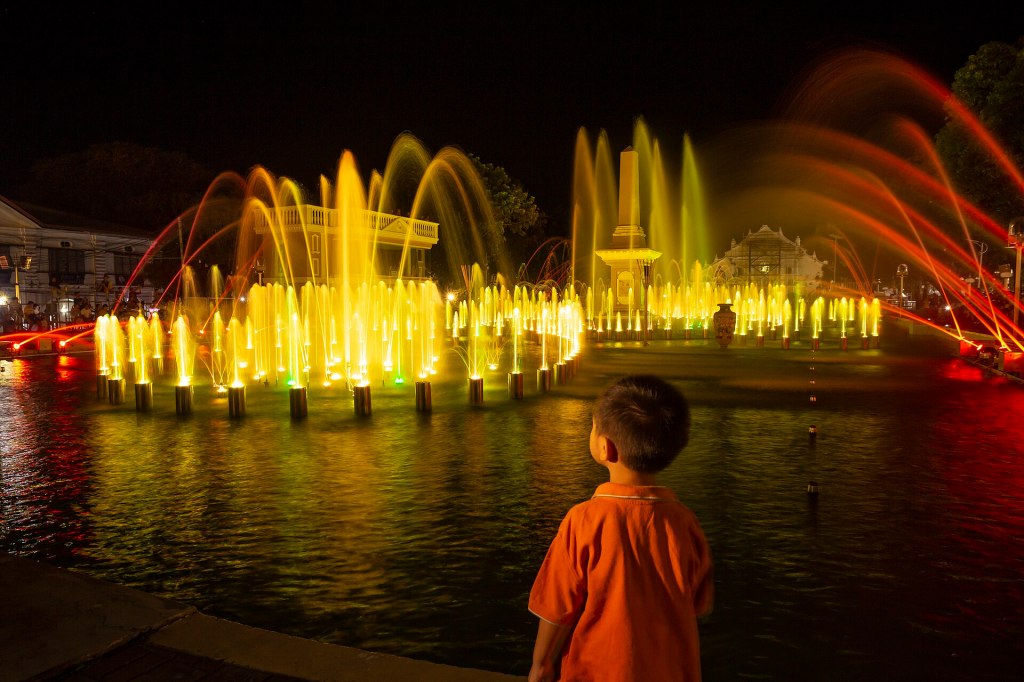
Plaza Burgos and Plaza Salcedo form an easy continuation from the heritage streets. The plazas offer room to rest, find local snacks, and see the civic and religious heart of the city. Plaza Salcedo is also known for its evening dancing fountain. Show times can change because of events, maintenance, or local scheduling, so confirm the current program through an official city notice rather than building the day around an old timetable.
What to eat in Vigan
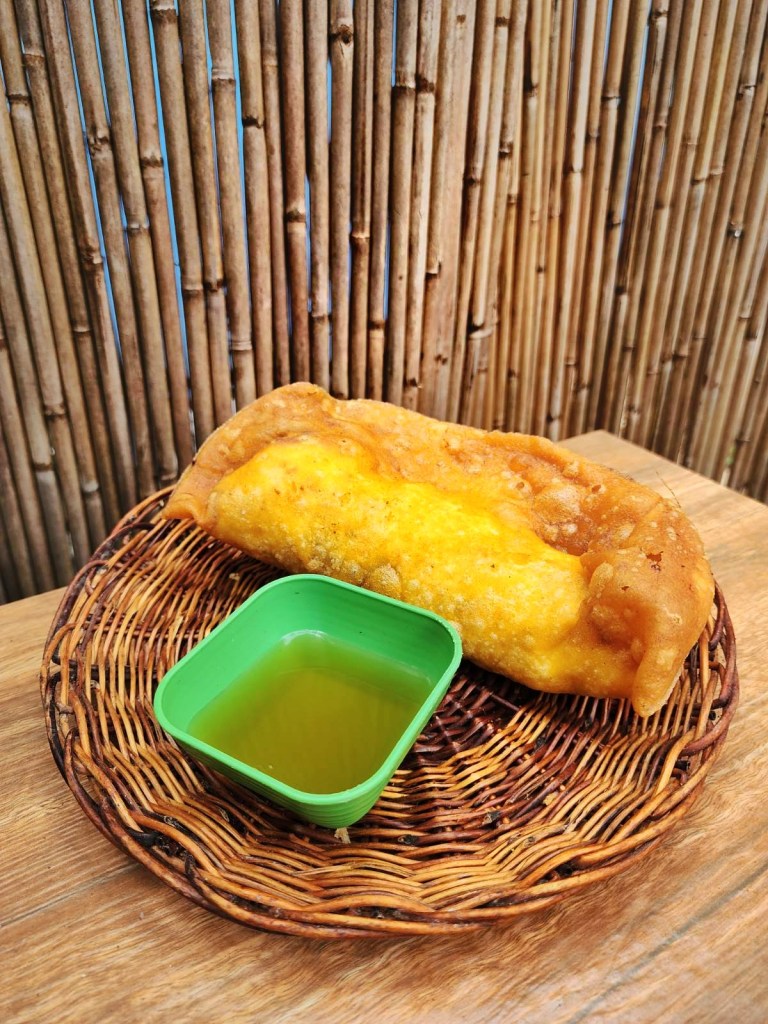
Vigan’s food deserves time of its own. The city’s empanada is a useful starting point: a crisp, orange-hued rice-flour shell filled with grated green papaya, egg, and local sausage, then fried to order. Vinegar cuts through the richness. Recipes and proportions vary by vendor, which is part of the appeal. Watch how each cook folds and seals the shell before it enters the oil.
Other Ilocano staples to look for include garlicky Vigan longganisa and bagnet, pork belly cooked until the skin becomes crisp. These foods are widely associated with the region, but quality and preparation differ from one kitchen to another. Rather than presenting a single stall as “the best,” compare menus, choose busy vendors with food cooked fresh, and ask what is included before ordering.
Practical visitor information
- Destination: Historic City of Vigan and the Calle Crisologo heritage district
- Location: Vigan City, Ilocos Sur, Luzon, Philippines
- Heritage district access: Calle Crisologo is an active public street; individual museums, shops, restaurants, and attractions maintain their own hours and fees.
- Getting there: Long-distance buses and road travel connect Manila with Vigan. Check the operator’s official schedule and terminal before departure because routes and travel times can change.
- Getting around: The central heritage area is compact enough to explore on foot. Kalesa and tricycles are available for longer routes; agree on the route and fare before leaving.
- Accessibility: Cobbles, uneven surfaces, steps, and older buildings may create barriers. Travelers with mobility needs should contact each museum or hotel directly and arrange a practical drop-off point.
- Planning tip: Reserve the cooler morning for walking, allow a midday break, and return near dusk for the lamps and evening atmosphere.
A city best explored with attention
Vigan’s appeal is easy to photograph, but its deeper value comes from the way architecture, food, commerce, and family history overlap. Give the old streets more than a quick photo stop. Read the museum notes, ask craftspeople respectful questions, try a regional snack, and leave room for plans to change. The result is a fuller picture of a Philippine city whose heritage remains part of everyday life.
Photo Credits & Sources
Photographs
- Calle Crisologo Vigan City: Roniel Soriano, Wikimedia Commons, CC BY-SA 4.0. Depicts Calle Crisologo at blue hour. WordPress-generated resized derivative; no other modifications.
- Vigan Empanada: JeanneKikoy, Wikimedia Commons, CC BY-SA 4.0. Depicts a Vigan empanada served with vinegar. WordPress-generated resized derivative; no other modifications.
- Plaza Salcedo in Vigan: Jesse Alegre (Wikimedia user Jessartcam), Wikimedia Commons, CC BY-SA 4.0. Depicts the dancing fountain at night. WordPress-generated resized derivative; no other modifications.
Research sources
- UNESCO World Heritage Centre: Historic City of Vigan: heritage history, significance, inscription, integrity, and architectural context.
- Philippines Department of Tourism: Vigan: destination overview, regional food, living crafts, attractions, and transportation context.
- Syquia Mansion Museum: official museum history, operating hours, and listed admission.


Leave a Reply