
Currency and pricing note: US dollar conversions are approximate and use a planning rate of US$1 ≈ ₱63.50. This rate is based on the latest available Bangko Sentral ng Pilipinas reference data checked October 28, 2026. Prices, admission fees, restaurant checks, hotel rates, ferry fares, taxes, and exchange rates can change with market conditions. Confirm the current peso price and live exchange rate before booking or paying.
Taking your own car across Philippine islands sounds simple: drive to a port, board a ferry, and continue on the next island. In reality, vehicle slots fill, schedules change, weather stops sailings, and some ferries do not accept cars. This guide covers verified RoRo routes, overnight stops, local food, and the flexibility needed for a safer trip.
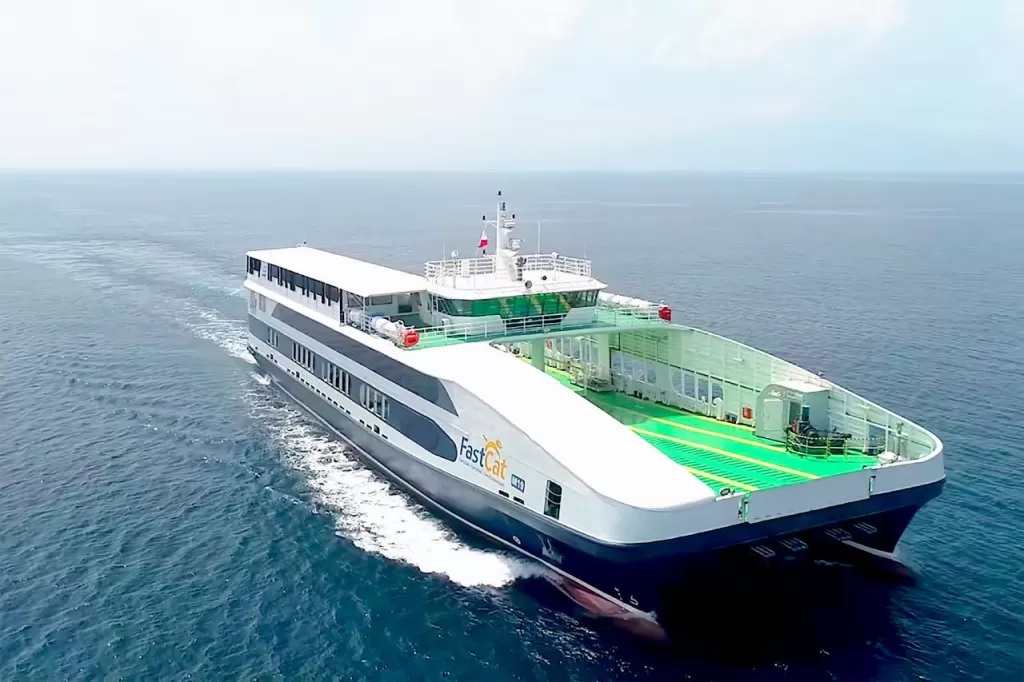
⚠️ Important Safety Warning Before You Start Island Hopping
Traveler safety takes priority over completing the itinerary. Ferry cancellations, rough seas, road damage, fatigue, and unfamiliar surroundings can turn a tight schedule into a serious problem.
- Travel with trusted companions whenever possible. A second licensed driver can share driving, navigation, vehicle checks, and emergency decisions. A group reduces some risks, but does not remove them.
- Avoid unnecessary nighttime driving. Reach unfamiliar towns and hotels in daylight when practical. Never push through an isolated road just to keep a reservation.
- Do not ignore bad weather. Before leaving for a port, check PAGASA forecasts, gale warnings, tropical cyclone bulletins, Philippine Coast Guard notices, and the operator’s latest departure announcement.
- Never remain inside the vehicle during the voyage. MARINA requires passengers to leave the vehicle deck and use designated passenger areas. Follow crew directions for parking, securing the car, evacuation, and disembarkation.
- Attend the safety briefing. Locate exits and lifejackets, follow posted instructions, and use only authorized vessels.
Pack water, prescriptions, first aid, a power bank, offline maps, a flashlight, copies of vehicle papers, tire tools, and extra cash. Solo travelers should share a detailed plan, check in regularly, and make conservative decisions.
Can You Drive From Davao City to Samal Island?
Yes. The March 2026 MARINA nautical highway matrix lists active vehicle ferry connections from Sasa and Panacan in Davao City to Babak on Samal Island. The short crossing is the most practical first RoRo experience for a Davao-based driver. Read Pixel Passports’s Davao City travel guide for city hotels, food, and attractions before adding Samal.
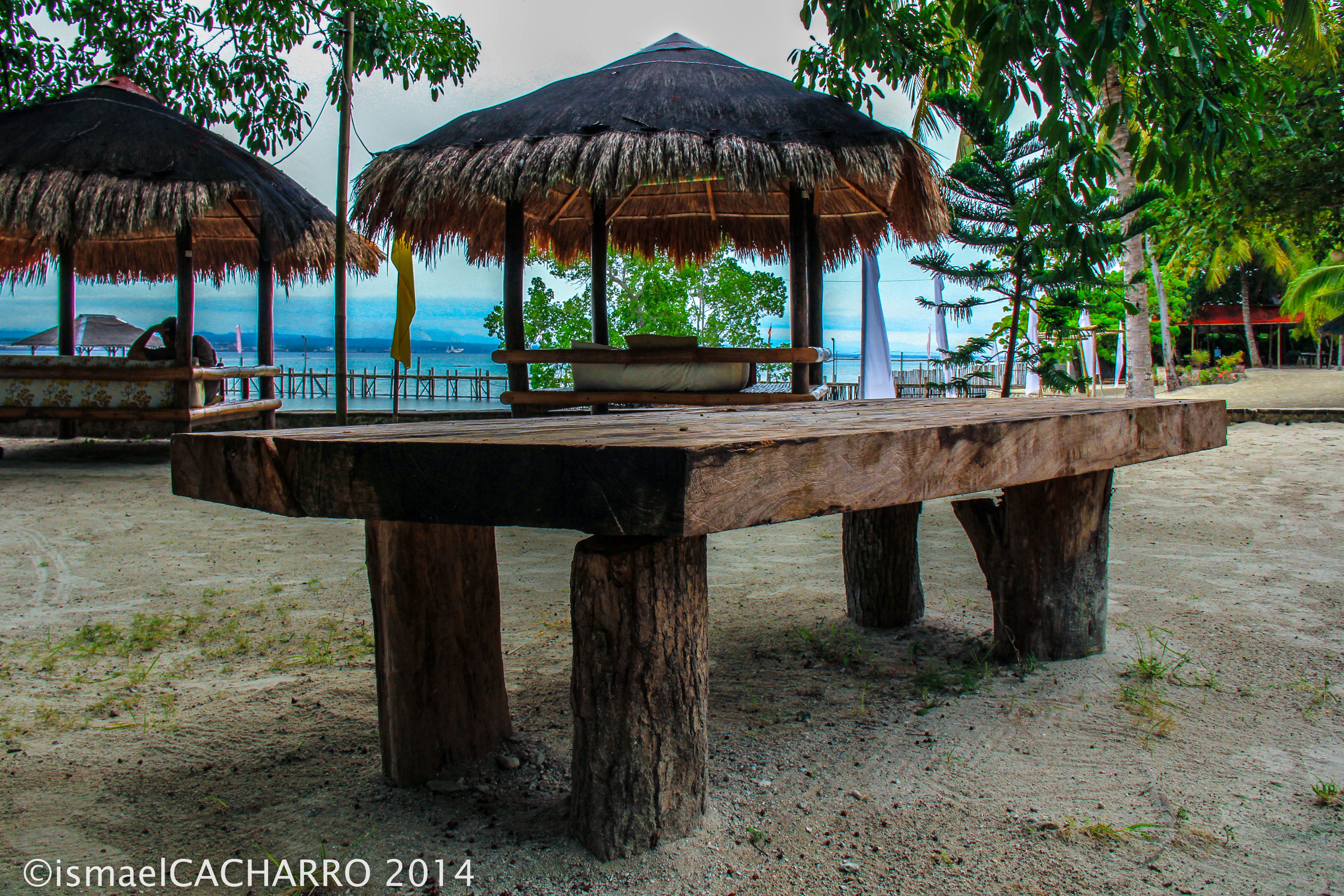
Davao to Samal vehicle crossing
| Route | Operator and service | October 2026 planning details |
|---|---|---|
| Km. 11 Sasa, Davao City to Babak, Samal | Mae Wess and Cole vehicle barges | Private cars accepted. About 10 to 15 minutes. Current local listing: ₱275 (about US$4.3) for a light passenger vehicle with one driver and three passengers, plus ₱25 (about US$0.39) per excess passenger. Reported 24-hour operation, with sailings often based on vessel loading. |
| Km. 13 Panacan, Davao City to Babak, Samal | DavSam vehicle ferry | Private cars accepted. About 10 to 15 minutes. Current local listings report similar light-vehicle pricing and 24-hour operation. Confirm at the terminal. |
No dependable online vehicle reservation system was found for these short barges. Drivers generally queue and pay at the port. Weekend and holiday lines can be long, especially returning from Samal on Sunday. Arrive early, carry cash, and verify the current fare with the operator before joining the queue.
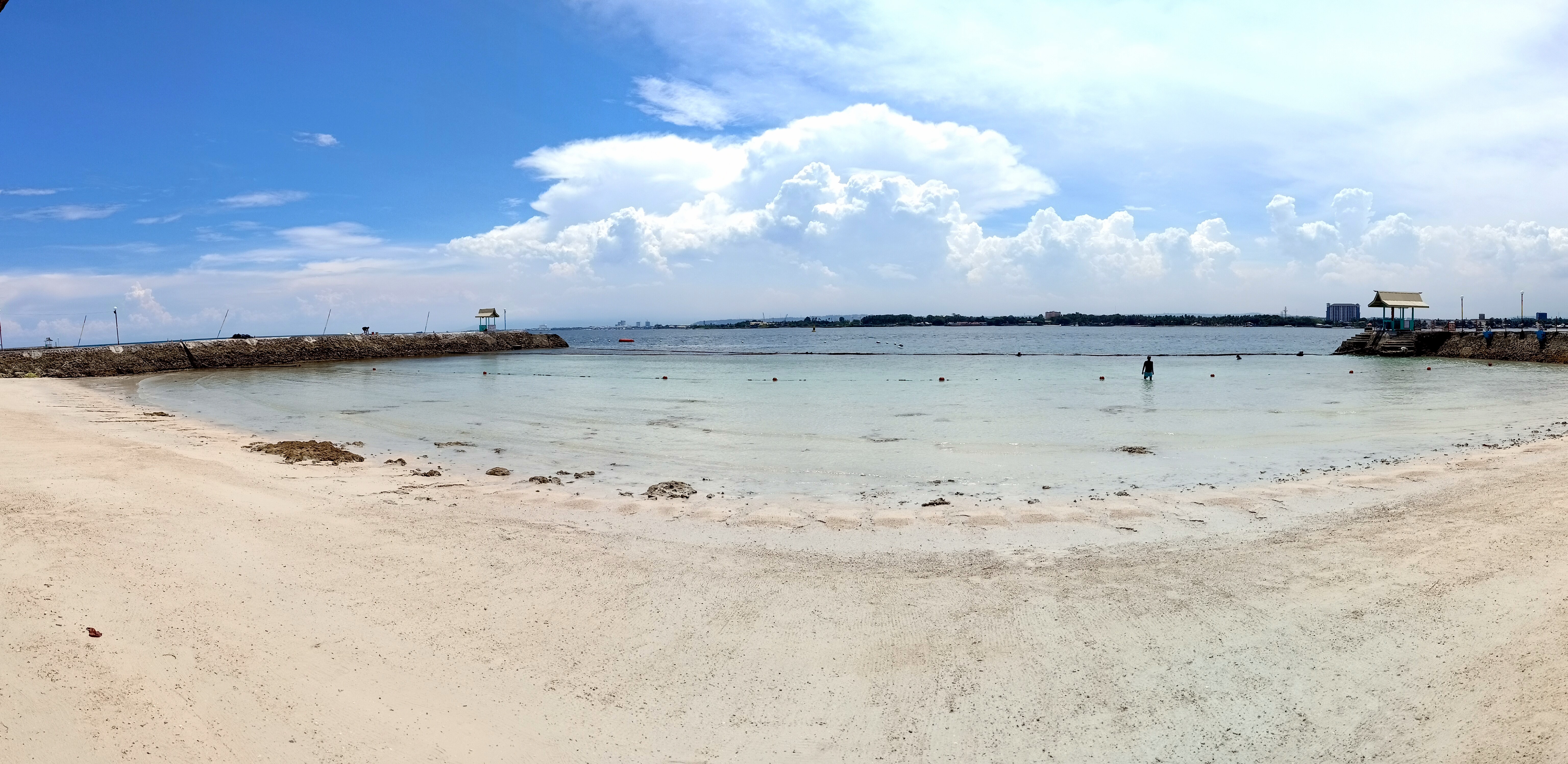
Why a Davao to Visayas Loop Needs More Time
A car can travel north from Davao toward Surigao, then cross to Southern Leyte on a vehicle ferry. FastCat lists Surigao to Maasin, while Montenegro lists Lipata to Liloan and San Ricardo. However, Davao to Surigao is a long drive, sailing times may be awkward, and continuing through Leyte, Cebu, Bohol, and Negros requires many more travel days. Compressing it into 7 to 10 days encourages fatigue and nighttime arrivals.
The safer plan is a two-part approach: enjoy a two or three-day Davao and Samal trip, then schedule a separate eight-day Visayas loop starting in Cebu. Travelers from Davao can position an owned vehicle separately or use a Cebu vehicle whose contract explicitly permits ferry transport. Never assume a rental, financed, leased, electric, or hybrid vehicle may board. Get written permission and operator approval first.
Verified Visayas RoRo Loop: Cebu, Bohol, and Negros
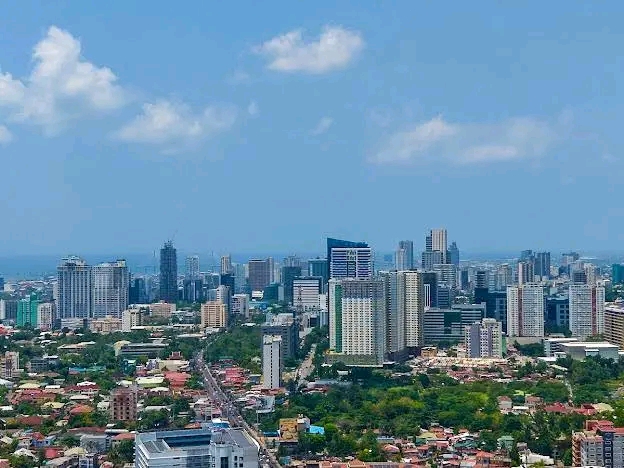
FastCat’s August 2026 schedule confirms both vehicle routes. Schedules and fares can change, so contact the terminal before each crossing and reserve the vehicle slot. No universal check-in time is published for these routes. Ask the terminal directly. A two-hour personal buffer is sensible, but it is not an official rule.
| Crossing | Current schedule and time | Published one-way fare | Vehicle booking contact |
|---|---|---|---|
| Cebu Port to Tubigon, Bohol | 1:30 a.m., 7:30 a.m., 1:30 p.m., 8:00 p.m. About 2 hours. | Economy passenger ₱392 (about US$6.2). Sedan ₱3,934 (about US$62). Van, pickup, or SUV ₱4,674 (about US$74). | FastCat Cebu: 0908 619 9108 |
| Tubigon to Cebu | 5:00 a.m., 10:30 a.m., 5:30 p.m., 10:30 p.m. About 2 hours. | Same published route rates. Confirm taxes and terminal charges. | FastCat Tubigon: 0948 985 6247 |
| Toledo, Cebu to San Carlos, Negros | 7:00 a.m., 11:00 a.m., 7:00 p.m. About 1 hour 30 minutes. | Economy passenger ₱278 (about US$4.4). Sedan ₱2,395 (about US$38). Van, pickup, or SUV ₱2,993 (about US$47). | FastCat Toledo: 0961 755 8984 |
| San Carlos to Toledo | 5:00 a.m., 9:00 a.m., 5:00 p.m. About 1 hour 30 minutes. | Same published route rates. Confirm taxes and terminal charges. | FastCat San Carlos: 0969 313 5047 |
Each traveler needs a passenger ticket even when the car has a rolling cargo ticket. Ask whether the driver’s fare is included. Vehicle categories depend on body type and size, so do not price an SUV as a sedan. Weather, Coast Guard restrictions, mechanical issues, and port congestion can delay departures.
Preparing Your Car for a RoRo Trip
- Check engine oil, coolant, brake fluid, transmission fluid, and washer fluid.
- Inspect tire tread, pressure, spare tire, brakes, battery, headlights, brake lights, and signal lights.
- Fill the tank before remote stretches. Keep a jack, lug wrench, warning triangle, flashlight, basic tools, tire inflator, and first-aid kit.
- Carry the original or accepted copies of the OR and CR, valid driver’s license, insurance details, and roadside-assistance information.
- If the driver is not the registered owner, ask the operator whether a notarized authorization letter and owner’s ID are required.
- Get written permission before taking a rental, leased, or financed car onto a ferry. Confirm special rules for electric and hybrid vehicles.
- Remove loose roof or rear cargo and keep the vehicle within the operator’s stated dimensions and weight.
What Happens When You Drive Your Car Onto a RoRo Ferry?
- Arrive at the correct port and vehicle entrance.
- Confirm the reservation, passenger tickets, and rolling cargo ticket.
- Present vehicle documents and complete security checks.
- Wait in the assigned lane for boarding instructions.
- Drive onto the vessel only when directed.
- Park where the crew indicates, engage the parking brake, switch off the engine, and follow instructions about gear, alarms, and locking.
- Take essential personal items and leave the vehicle deck.
- Use the passenger area and attend the safety briefing.
- Return only when the crew permits and disembark slowly.
Procedures vary. Crew instructions always take precedence over a general guide.
Where to Stay With a Car
Before traveling to another island, make sure you have a confirmed place to stay, especially when arriving late or traveling with children. Ask for written confirmation of overnight parking, vehicle height limits, late check-in rules, and family occupancy. Keep a backup hotel near the arrival port in case a ferry is delayed.
Samal Island
- Budget or family stay: Hideaway Beach Resort Samal. Family rooms are about ₱4,500 (about US$71) to ₱5,000 (about US$79). Confirm secure overnight parking.
- Comfort stay: Paradise Island Park and Beach Resort. Free parking is available on the Davao or Samal side. Ask which lot suits an overnight vehicle.
- Resort stay: Club Samal Resort. Official rooms begin around ₱9,300 (about US$145) for two. Confirm the reported free self-parking directly.
Cebu City and Toledo
- Budget stay: Bayfront Hotel Cebu, North Reclamation. Near the port, with 2026 promotional rates around ₱2,800 (about US$44), free parking, and a family plan.
- Comfort stay: Radisson Blu Cebu. The hotel confirms free gated parking with video surveillance, plus family suites and cots.
- Toledo overnight: Days Hotel by Wyndham Cebu Toledo. Near the terminal, with reported free, well-lit parking. Confirm availability.
- Toledo backup: Estrella del Mar Resort. Listings show family rooms, security, and free private parking. Verify early checkout arrangements.
Bohol and San Carlos
- Bohol budget stay: Bohol Sunside Resort. A four-person family room is listed around ₱2,700 (about US$43), with breakfast. Parking is not clearly documented on the official room page, so confirm it.
- Bohol comfort stay: Yellow Mango Resort. The official site lists secure onsite parking and family rooms. A checked 2026 rate was about ₱4,400 (about US$69) for a triple room; family-room pricing varies.
- San Carlos budget stay: WJV Inn San Carlos 1. A simple central inn with air-conditioning and Wi-Fi. Parking and family occupancy need direct confirmation.
- San Carlos comfort stay: Palau Hotel. Current property information lists free self-parking, a restaurant, 24-hour reception, and family-friendly facilities. Confirm room rates and reserve directly at (034) 729 5252.
Local Food Stops Worth Planning
- Samal: Chema’s Garden House serves local seafood prepared as sugba, tola, and kinilaw daily from 7:00 a.m. to 10:00 p.m. Zagpa Grill and Restobar is a casual roadside option for tuna kinilaw, tuna belly, and Filipino dishes, but confirm hours and parking.
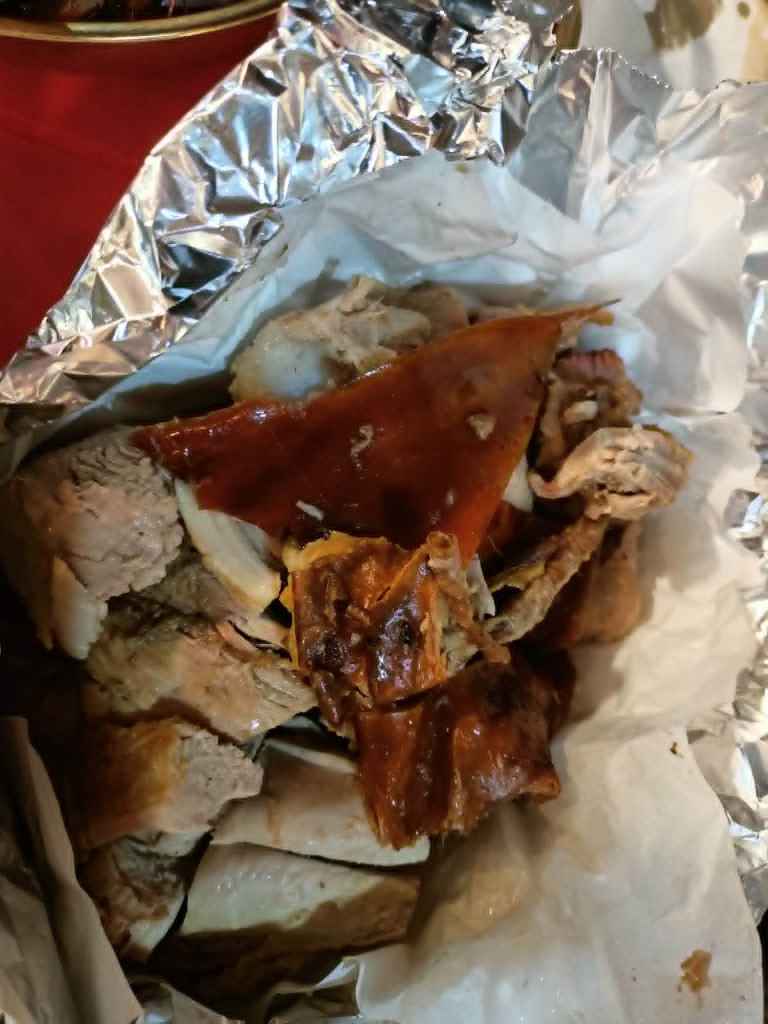
- Cebu: House of Lechon on Acacia Street serves Cebu’s crisp-skinned roasted pork and Filipino dishes from 10:00 a.m. to 9:00 p.m., with a car park. Allow roughly ₱400 (about US$6.3) to ₱900 (about US$14) per person as a planning range, depending on shared dishes.
- Bohol: Bohol Bee Farm Restaurant in Dauis serves fresh lumpia, seafood, grilled fish, spreads, breads, and organic ice cream from 7:00 a.m. to 9:00 p.m. Gerarda’s in Tagbilaran is known for Filipino family-style dishes in a heritage home; current listings place meals around ₱500 (about US$7.9) to ₱1,000 (about US$16) per person.
- San Carlos: Titing’s Cafe, established in 1949, is a locally important coffeehouse for coffee, budbud, and regional snacks. Palau Hotel’s restaurant is a practical backup near your overnight stop. Confirm current hours before driving across town.
Drink safe water, disclose allergies clearly, keep cold food chilled, and skip seafood or cooked dishes that appear to have sat unrefrigerated. A busy carinderia serving freshly cooked food can be a better road stop than an empty stall late in the day.
Eight-Day Visayas Road Trip Itinerary
Day 1: Prepare in Cebu City
Morning: Check the car, documents, and FastCat vehicle reservation. Lunch: Try Cebu lechon at House of Lechon. Afternoon: Visit a central heritage stop or rest after travel. Evening: Stay at Bayfront or Radisson Blu. Pack only essentials for quick access on the ferry.
Day 2: Cebu to Bohol
Morning: Board the 7:30 a.m. FastCat from Cebu to Tubigon only after confirming it is operating. Lunch: Stop in Tagbilaran or Dauis. Afternoon: Check in on Panglao and enjoy an easy beach or pool afternoon. Evening: Dine at Bohol Bee Farm and avoid an unnecessary late drive.
Days 3 and 4: Explore Bohol at a safe pace

Morning: Choose one countryside circuit, such as Loboc and the Chocolate Hills, with fuel and rest breaks. Lunch: Eat at an established restaurant along the route. Afternoon: Return before dark rather than adding another distant attraction. Evening: Use the second day for Panglao, Tagbilaran, laundry, and rest. Confirm the return ferry and hotel cancellation terms.
Day 5: Bohol to Toledo
Morning: Take the 10:30 a.m. Tubigon to Cebu ferry after live confirmation. Lunch: Eat before the cross-island drive. Afternoon: Continue to Toledo with daylight and traffic allowance. Evening: Check in near the ferry terminal. If the Bohol ferry is canceled, stay in Bohol and move every later reservation by one day.
Day 6: Toledo to San Carlos
Morning: Take the 7:00 or 11:00 a.m. ferry to San Carlos. Lunch: Have coffee and a local snack at Titing’s Cafe. Afternoon: Explore the city proper or rest at the hotel. Evening: Stay at Palau Hotel or a confirmed alternative with parking. Do not add a long drive toward Bacolod after a delayed sailing.
Day 7: A relaxed Negros day
Morning: Choose a nearby coastal or cultural activity and identify the nearest fuel station and hospital first. Lunch: Try a local restaurant serving freshly prepared Filipino dishes. Afternoon: Rest, refuel, and reconfirm tomorrow’s vehicle slot. Evening: Return to the same hotel. Keeping a second night avoids packing the schedule around another crossing.
Day 8: San Carlos to Cebu
Morning: Use the 9:00 a.m. ferry if confirmed. Lunch: Eat in Toledo after disembarkation. Afternoon: Drive back to Cebu City with rest breaks. Evening: Check in rather than connecting to a late flight or beginning another long drive.
Estimated Eight-Day Trip Budget
Assumptions: eight days and seven nights, October 2026 pricing, one fuel-efficient sedan, two round-trip FastCat routes, one family room or one twin room, and no airfare or Davao vehicle-positioning cost. Ferry fares are published rates; other figures are planning estimates.
| Expense | Two adults | Family of four |
|---|---|---|
| Fuel | ₱4,000 (about US$63) to ₱6,000 (about US$94) | ₱4,500 (about US$71) to ₱6,500 (about US$100) |
| Car ferry fares, sedan | About ₱12,658 (about US$200) | About ₱12,658 (about US$200) |
| Passenger ferry tickets | About ₱2,680 (about US$42) | Up to ₱5,360 (about US$84) before child discounts |
| Seven hotel nights | ₱21,000 (about US$330) to ₱49,000 (about US$770) | ₱28,000 (about US$440) to ₱56,000 (about US$880) |
| Meals | ₱13,000 (about US$205) to ₱24,000 (about US$380) | ₱25,000 (about US$395) to ₱45,000 (about US$710) |
| Parking and tolls | ₱500 (about US$7.9) to ₱1,500 (about US$24) | ₱500 (about US$7.9) to ₱1,500 (about US$24) |
| Attractions | ₱3,000 (about US$47) to ₱8,000 (about US$125) | ₱5,000 (about US$79) to ₱12,000 (about US$190) |
| Emergency fund | ₱7,000 (about US$110) to ₱12,000 (about US$190) | ₱10,000 (about US$155) to ₱15,000 (about US$235) |
| Estimated total | ₱64,000 (about US$1,010) to ₱116,000 (about US$1,830) | ₱91,000 (about US$1,430) to ₱154,000 (about US$2,430) |
Add terminal charges, vehicle-category differences, and a 10 to 15 percent contingency. The Davao to Samal side trip is separate and comparatively inexpensive, but resort prices can raise its total quickly.
Staying Safe on the Road and at Sea
- Share the itinerary, car details, ferry names, and hotel contacts with someone at home.
- Check in after each crossing and overnight arrival.
- Keep emergency cash separately and download offline navigation.
- Save ferry, hotel, insurer, roadside assistance, and local emergency contacts.
- Avoid isolated fuel stops after dark and keep enough fuel for the next reliable station.
- Hide valuables before parking. Never leave documents or medicine visible.
- Verify local advisories before unfamiliar roads or remote islands.
- Switch drivers before fatigue affects judgment.
- Note the nearest hospital, police station, and repair shop.
- For an immediate police, fire, medical, or rescue emergency, dial the national Unified 911 hotline. Also keep destination-specific numbers.
RoRo Road Trip FAQ
Can any private car board a RoRo ferry?
No. The route must carry rolling cargo, the vehicle must fit its category, and documents must satisfy the operator. Rental and financed vehicles may need written authorization.
Do passengers stay inside the car?
No. Leave the vehicle deck and remain in the designated passenger area for the voyage.
Does the vehicle fare include everyone?
Not always. Every traveler may need a passenger ticket. Ask whether the driver’s ticket is included and whether children qualify for discounts.
What if the ferry is canceled?
Stay near the port in a confirmed hotel, notify later properties, and wait for an authorized sailing. Do not race to a distant port at night or pressure anyone to sail.
Can an electric vehicle use a RoRo?
Rules vary. Ask the operator about battery condition, charging state, documentation, and vessel restrictions before booking.
Photo Credits and Sources
Photography: FastCat M19 by Yakitaki26; Samal Island by Ismael Cacharro; Paradise Island Beach by RoyKabanlit; Chocolate Hills by Eduardojr5; and Cebu lechon by Bim24, all licensed CC BY-SA 4.0. Cebu skyline by GloverG, dedicated under CC0 1.0. Images were not materially modified beyond WordPress resizing.
Sources and Travel Information
Research checked October 28, 2026: MARINA RoRo safety advisory; MARINA Philippine Nautical Highway Matrix; FastCat routes and schedules; FastCat fares; Montenegro routes and contacts; PAGASA; PAGASA gale warnings; Philippine Coast Guard; and DILG Unified 911. Hotel, restaurant, and resort details came from the official sites linked above, supplemented where clearly noted by current property listings. Reconfirm every schedule, fare, parking arrangement, and booking before departure.
The best island-hopping adventure is the one where everyone gets home safely.
Plan carefully, travel with trusted companions when possible, reserve dependable accommodations, check the weather, and stay flexible when ferry services change. No beach, hotel, meal, or island is worth ignoring a warning or driving while exhausted.
Plan carefully, verify every schedule, respect the sea, and enjoy discovering the Philippines one safe journey at a time.


Leave a Reply