
Currency and pricing note: US dollar conversions are approximate and use a planning rate of US$1 ≈ ₱63.50. This rate is based on the latest available Bangko Sentral ng Pilipinas reference data checked October 28, 2026. Prices, admission fees, restaurant checks, hotel rates, ferry fares, taxes, and exchange rates can change with market conditions. Confirm the current peso price and live exchange rate before booking or paying.
Davao City is the kind of Philippine destination that rewards a little planning. The city spreads from the Davao Gulf toward the foothills of Mount Apo, putting urban parks, wildlife conservation, cacao farms, fruit markets, and island day trips within reach. This researched Davao City travel guide brings together practical stops for a first visit without pretending that every attraction sits in the same neighborhood.
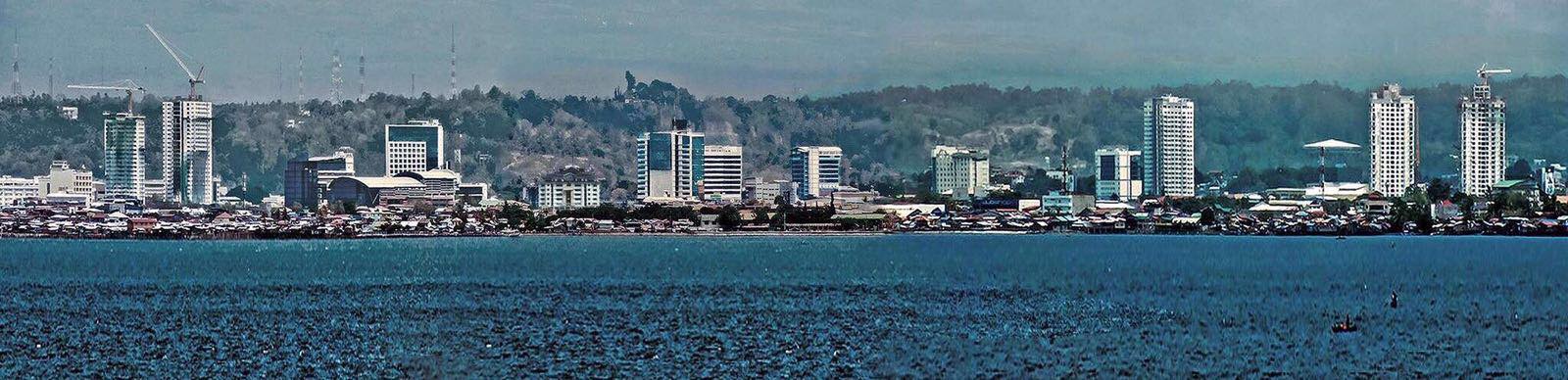
Discovering Davao City
Davao City is a major gateway to southeastern Mindanao and one of the Philippines’ largest cities by land area. Its identity is tied to Indigenous, migrant, and trading communities, as well as farms that produce durian, pomelo, cacao, and other tropical crops. Each August, the Kadayawan Festival gives thanks for the harvest and highlights the traditions of the city’s 11 ethnolinguistic groups. Visitors should treat those cultures as living communities, not simply festival decoration, and follow local rules when attending cultural events.
Distances matter here. Downtown sights are easy to group together, while the Philippine Eagle Center, Malagos Garden Resort, and Eden Nature Park require separate travel toward the uplands. Samal Island is in Davao del Norte, not Davao City, and requires a ferry, boat, or prearranged resort transfer.
Best Places to Visit in Davao City
People’s Park
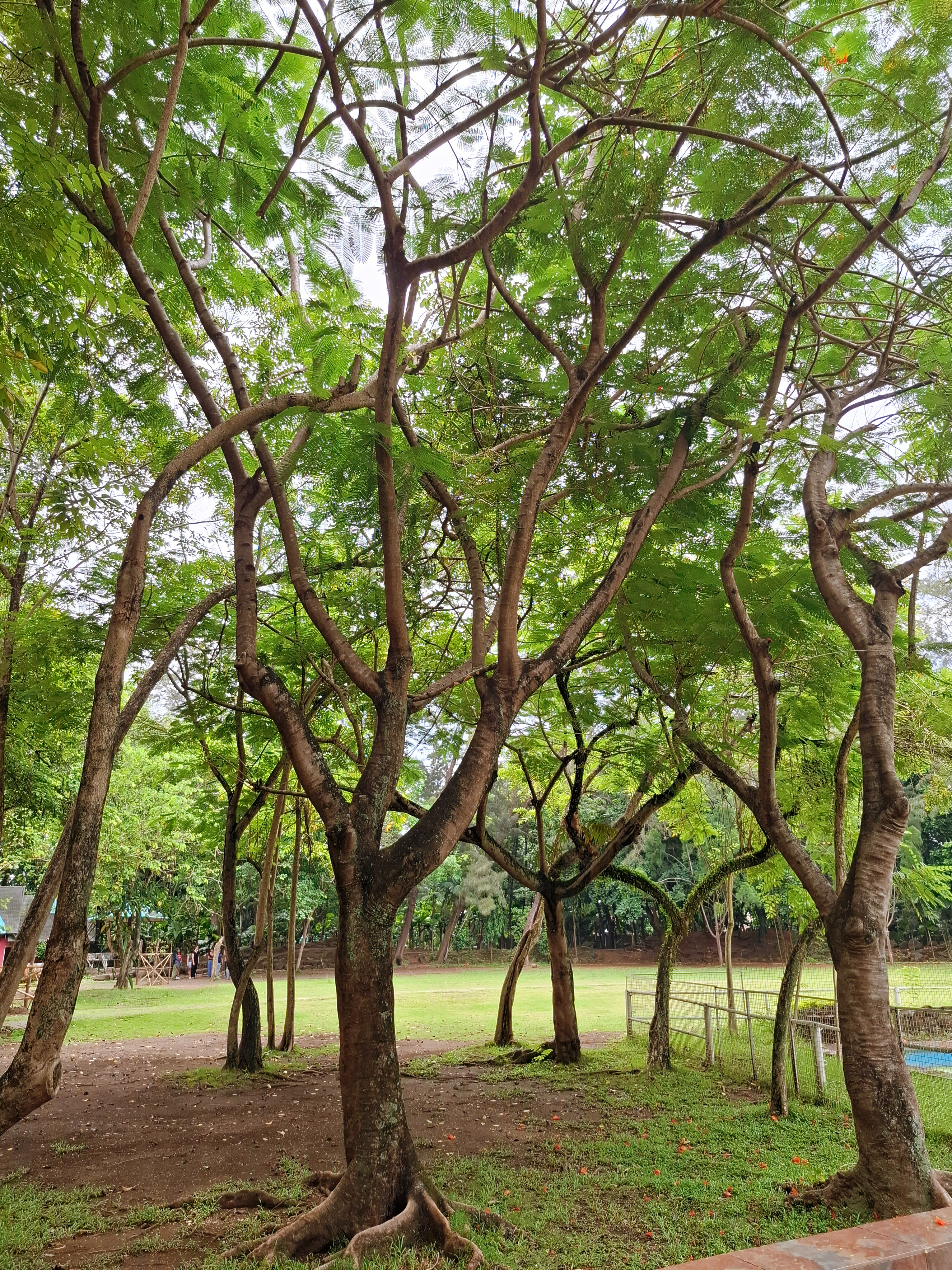
This four-hectare city park on Palma Gil Street combines a mini-forest, ponds, fountains, a children’s area, a durian-shaped dome, and sculptures by Mindanao artist Kublai Millan. The Davao City Tourism Operations Office lists free admission and daily hours of 1:00 p.m.–10:00 p.m. It works well as a shaded late-afternoon stop before dinner downtown.
National Museum of the Philippines–Davao and Museo Dabawenyo
Inside the People’s Park compound, the National Museum’s Davao facility presents regional archaeology, natural history, and art, while Museo Dabawenyo occupies the fifth floor. Admission is free; bring a valid ID. Current public information lists daily hours of 9:00 a.m.–5:00 p.m. Two galleries, the Kabilin and Ang Kiukok galleries, have been closed for maintenance since February 2026, so check the National Museum before visiting.
Philippine Eagle Center
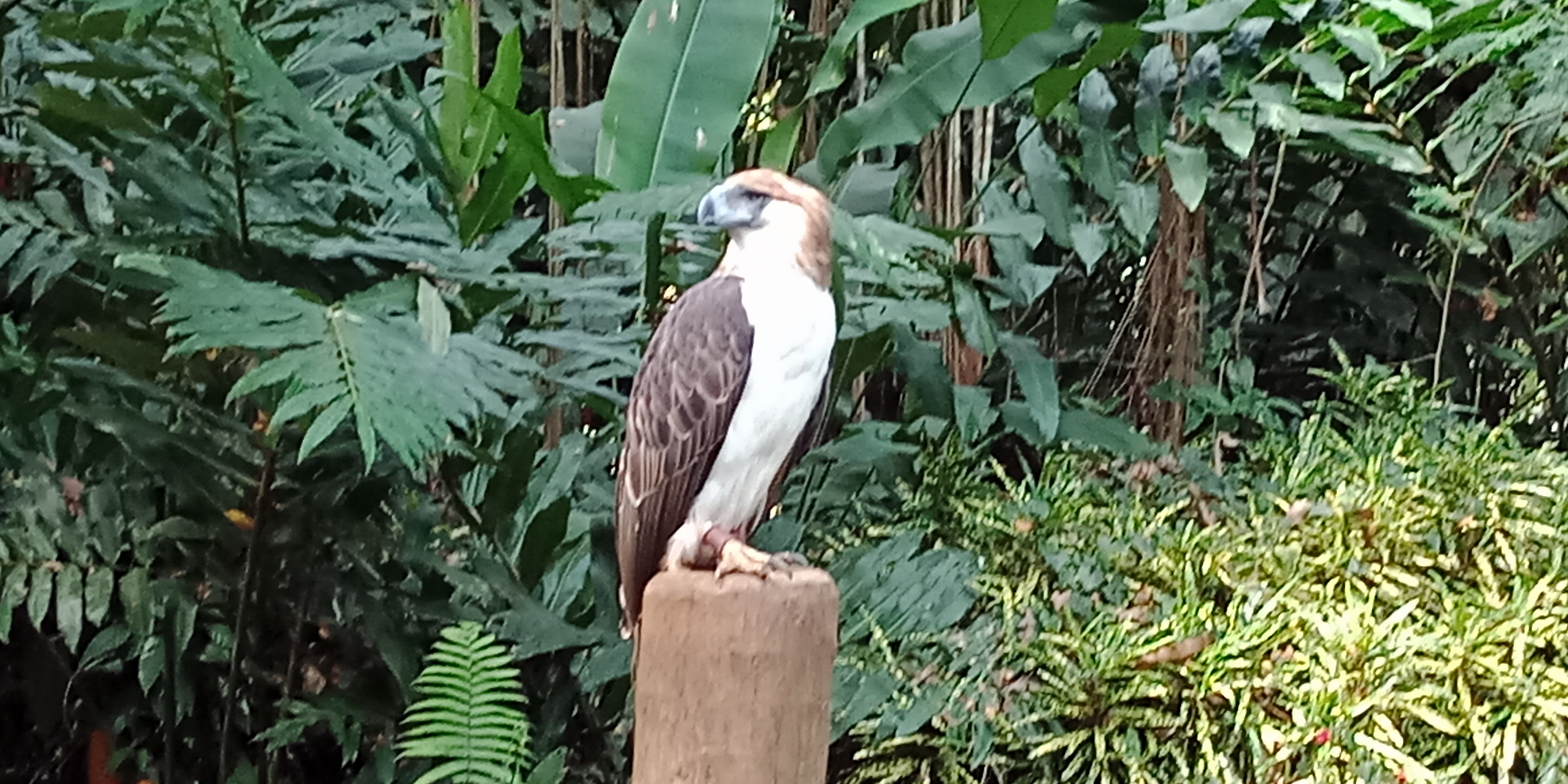
The center in Malagos, Baguio District, supports conservation and breeding work for the critically endangered Philippine eagle. Allow at least half a day from downtown once transport is included. The Philippine Eagle Foundation offers 45-minute guided tours from ₱120 (about US$1.9); separately reported conservation admission is around ₱150 (about US$2.4) for adults and ₱100 (about US$1.6) for visitors ages 4–17, plus a small watershed fee. Because the foundation’s booking page does not clearly publish every gate fee, confirm the total directly before going. Current visitor information places opening around 8:00 a.m.–4:30 or 5:00 p.m.
Malagos Garden Resort and Eden Nature Park
Malagos Garden Resort combines gardens, a Chocolate Museum, bird and butterfly attractions, and cacao-focused experiences. Day visits generally run 8:00 a.m.–5:00 p.m.; packages and tour prices change, so request the current rate through the official contact page. Nearby, Eden Nature Park in Toril offers cool upland scenery, gardens, restaurants, and outdoor activities. The official site lists resort hours of 9:00 a.m.–5:00 p.m., but not a dependable current day-tour rate. Reserve ahead, especially on weekends, and avoid trying to combine both parks with a rushed downtown schedule.
Roxas Night Market
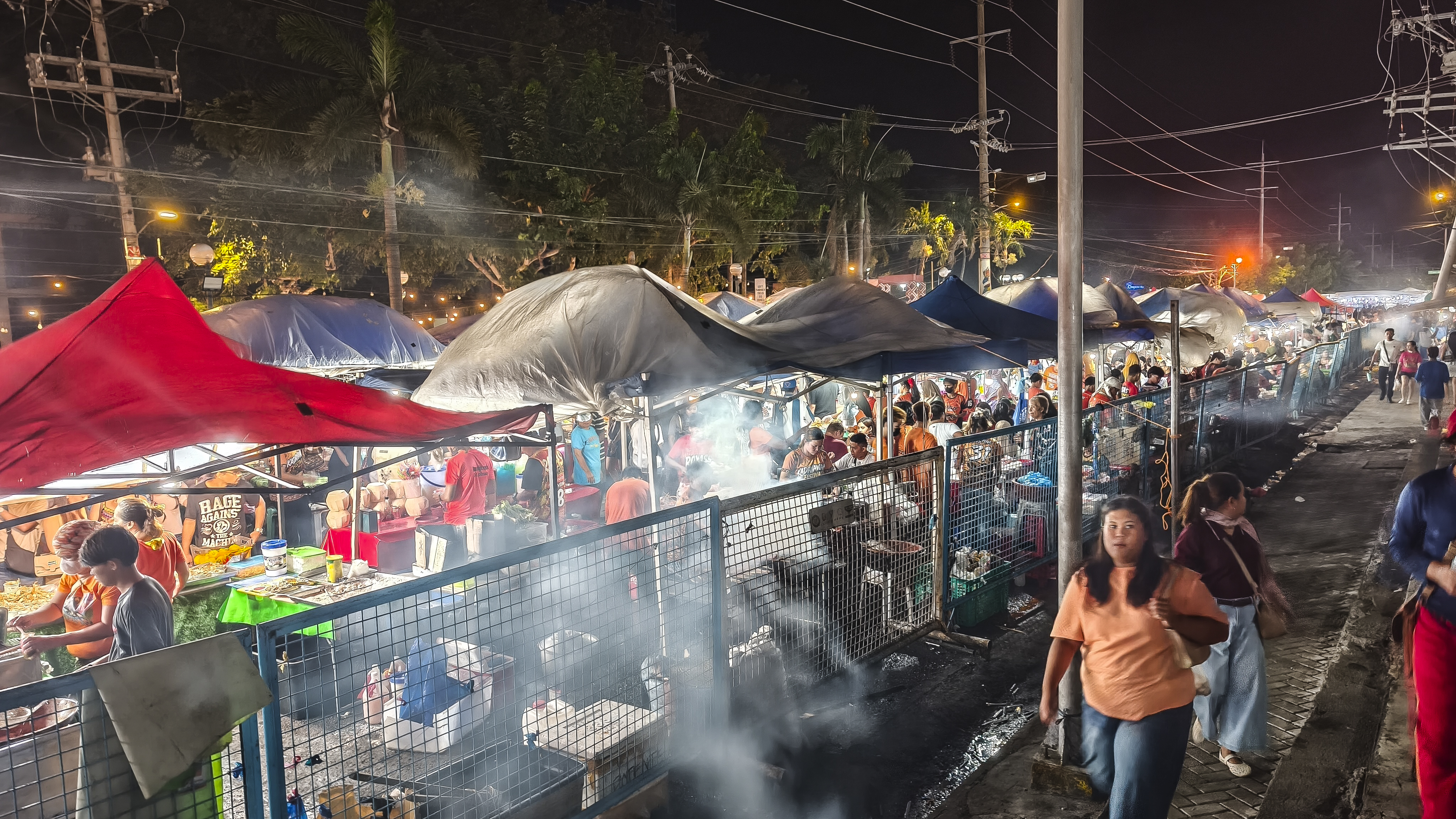
Roxas Avenue becomes a lively stretch of grills, snack stalls, ukay-ukay clothing, and small retail booths in the evening. City tourism lists daily hours of 6:00 p.m.–midnight. Bring small cash, watch food being cooked fresh, and expect vendor prices to vary. Recent local listings put grilled skewers around ₱10 (about US$0.16)–₱50 (about US$0.79) and shakes around ₱50 (about US$0.79)–₱80 (about US$1.3), but those are planning estimates rather than fixed prices.
Optional day trip: Samal Island
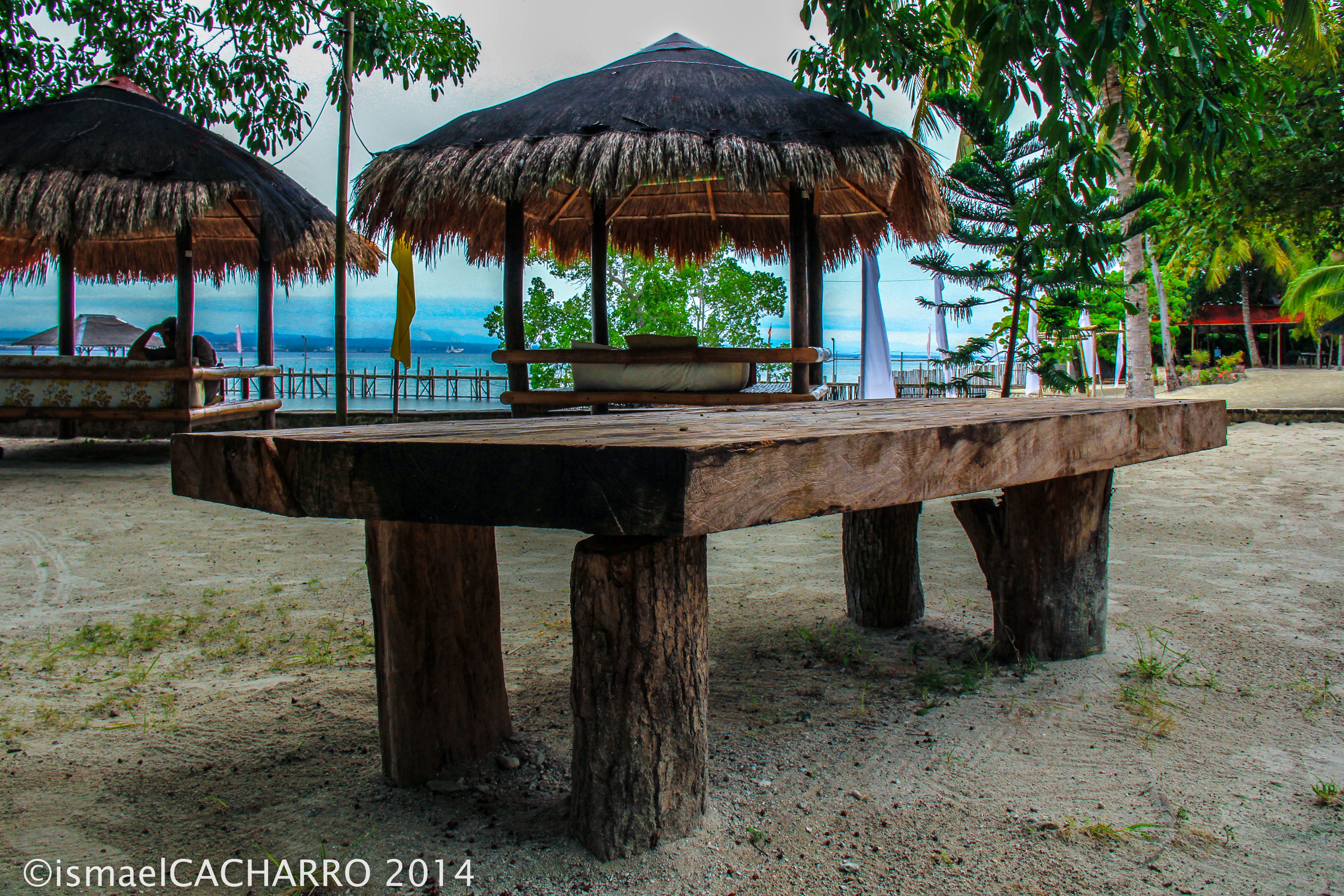
For beach time, the Island Garden City of Samal sits across the gulf in Davao del Norte. It is outside Davao City, so compare public ferry, boat, and resort-transfer options and reserve time for the crossing. Resort day-use rules and rates differ; confirm directly through Samal’s tourism office or your chosen property. Mount Apo is a different kind of undertaking: climbers need permits and a certified local guide, and should never treat the country’s highest mountain as a casual day trip.
A Taste of Davao: Local Food and Restaurants
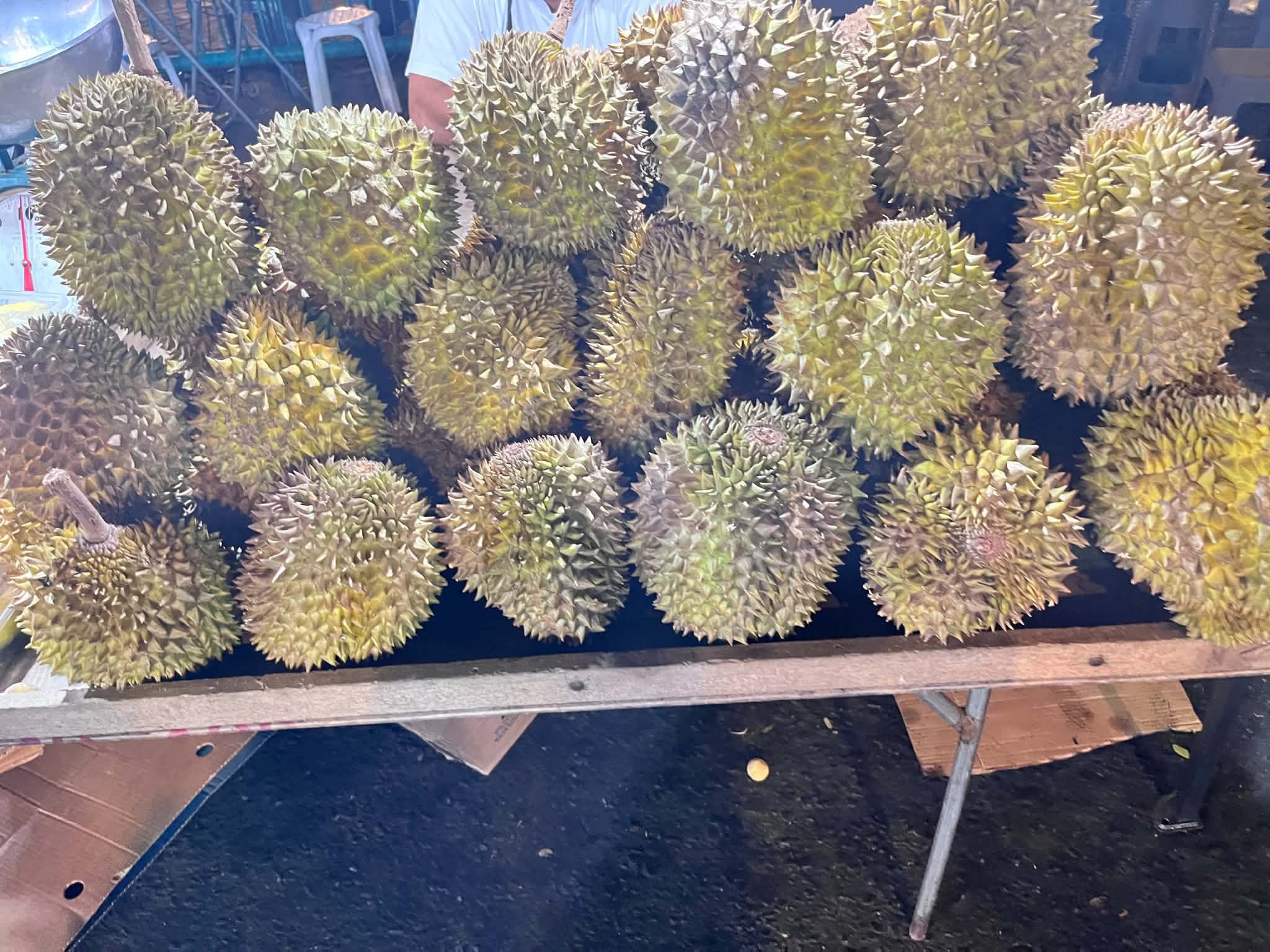
Davao’s food identity starts with fruit. Durian has a custard-like texture and an unmistakable aroma; pomelo is crisp, sweet, and gently tart. Mangosteen and marang appear seasonally. Cacao grown around Davao also becomes tablea, hot chocolate, and locally made bars. On the savory side, look for grilled tuna panga (jaw), tuna belly, kinilaw made with vinegar and citrus, and sinuglaw, a combination of grilled pork and kinilaw.
- Roxas Night Market: Best for casual evening grazing, from barbecue and isaw to seafood, fruit shakes, and sweets.
- Marina Tuna: The Lanang branch at Km. 8, Bo. Pampanga specializes in tuna. A current menu snapshot lists grilled tuna belly at about ₱340 (about US$5.4), tuna kinilaw at ₱450 (about US$7.1), pomelo salad at ₱270 (about US$4.3), and durian shakes at ₱160 (about US$2.5). Confirm prices in-store.
- Dencia’s Restaurant: A longtime downtown dining room at General Luna and Ilustre streets, known for lugaw, tokwa’t baboy, pancit canton, and Chinese-Filipino comfort food. Current menu prices are not reliably published.
- New Davao Famous Restaurant: The main branch is at 401 Ramon Magsaysay Avenue, with other branches around the city. Its Chinese-Filipino menu includes siopao and sepo guisado; a 2026 menu lists a box of six special siopao at ₱510 (about US$8) and sepo guisado at ₱430 (about US$6.8). Check branch hours before traveling.
Where to Stay in Davao City
Room rates below are snapshots checked for late 2026 and can change with dates, taxes, and promotions.
- Red Planet Davao: A practical budget hotel on J.P. Laurel Avenue in Bajada, with Wi-Fi, air-conditioning, TV, hot shower, safe, kettle, and compact rooms. Checked totals were roughly ₱2,300 (about US$36)–₱2,500 (about US$39) per room, which is useful for travelers prioritizing location and price.
- Park Inn by Radisson Davao: A mid-range option on J.P. Laurel Avenue in Agdao with an outdoor pool, parking, baggage storage, and access to nearby shopping. A checked date showed roughly ₱6,700 (about US$105)–₱7,600 (about US$120) including taxes.
- dusitD2 Davao: An upscale hotel on Stella Hizon Reyes Drive near the airport, with a courtyard pool, fitness center, spa, kids’ club, and several dining options. A checked rate was about ₱6,500 (about US$100)–₱8,000 (about US$125) with taxes.
- Dusit Thani Residence Davao: Apartment-style rooms with kitchenettes make this a strong choice for families and longer stays. The property shares access to resort-style facilities; a late-2026 offer began at ₱7,650 (about US$120)++ per night.
A Suggested Three-Day Davao Itinerary
Day 1: Downtown culture and street food
Start at the National Museum–Davao and Museo Dabawenyo, then walk through People’s Park in the afternoon. Have an early dinner at Dencia’s or New Davao Famous before browsing Roxas Night Market after 6:00 p.m.
Day 2: Wildlife and cacao
Book a car or guided transfer to the Philippine Eagle Center and Malagos Garden Resort. Confirm both schedules in advance and leave downtown early. Finish with tuna and pomelo at Marina Tuna. Eden Nature Park can replace Malagos, but combining all three upland attractions in one day would feel rushed.
Day 3: Choose city time or Samal
For an easy final day, shop for fruit and local chocolate, visit another museum, and linger over lunch. For the beach, reserve a full-day Samal trip and verify ferry or resort-transfer details before departure. Return with enough buffer for Davao traffic.
How Much Does a Trip to Davao Cost?
These editorial planning ranges are per person, per day, assuming two travelers share a room. Flights, shopping, and private Samal packages are excluded.
| Travel style | Estimated daily total | Typical breakdown |
|---|---|---|
| Budget | ₱2,000 (about US$31)–₱3,500 (about US$55) | Shared budget room, local meals, jeepneys/taxis, free or low-cost city sights |
| Mid-range | ₱4,500 (about US$71)–₱8,000 (about US$125) | Shared mid-range room, restaurant meals, ride-hailing, one paid activity |
| Higher-end | ₱8,000 (about US$125)–₱15,000 (about US$235)+ | Upscale hotel, private transport, premium dining, resort or guided activities |
Attraction costs can stay low downtown: People’s Park and the museums are free. Upland days cost more because private transport, admission, and guided experiences add up. Ask for the complete price, including taxes, conservation fees, and transfers, before booking.
Getting Around Davao City
Francisco Bangoy International Airport is the main arrival point. Metered taxis and Grab are the simplest options with luggage. Within the city, taxis and ride-hailing are convenient, while jeepneys are inexpensive but can be confusing to first-time visitors; confirm the route with your hotel or driver. Hire a car with a driver or join an organized tour for Malagos, the Philippine Eagle Center, and Eden. Traffic can stretch travel times, so avoid stacking reservations too tightly.
Best Time to Visit
Davao is warm and humid year-round. PAGASA’s 1991–2020 climate normals show fairly even rainfall through the year, with average monthly temperatures generally around 27–28.5°C. November through February usually feels a little cooler; March through May is hotter, while wetter periods still bring showers and thunderstorms. August attracts festival travelers for Kadayawan and seasonal fruit. Book early for festival dates and check the PAGASA forecast before island or upland plans.
Davao Travel Tips
- Carry small bills for markets and jeepneys, but keep valuables discreet and use normal city precautions.
- Dress comfortably and modestly for museums, neighborhoods, and cultural events. Ask before photographing people, especially Indigenous participants.
- Reserve upland attractions and Samal transfers directly; screenshots of old promotional prices may no longer be honored.
- Travel advisories differ. As of late 2026, the U.S. advisory distinguishes Davao City’s central area and airport from higher-risk parts of Mindanao, while other governments use broader warnings. Read the current advisory from your own government and follow local guidance.
- Buy fruit from busy vendors, ask whether durian is allowed in your hotel or transport, and use sealed packaging for flights.
Final Thoughts
A well-paced Davao trip can move from museum galleries and downtown gardens to rare wildlife, cacao country, grilled tuna, and a night market in only a few days. The key is to group nearby stops, reserve the farther-flung experiences, and leave room for weather and traffic. That approach makes the city feel less like a checklist and more like the varied Mindanao gateway it is.
Photo Credits & Sources
Photography: Davao City skyline by Kadayawan, People’s Park by Lexiejane, Philippine eagle by RoyKabanlit, Roxas Night Market by Herbertkikoy, durian by PAULIX04, and Samal Island by Ismael Cacharro. All are from Wikimedia Commons. The People’s Park image is CC0 1.0; the other five are CC BY-SA 4.0. No image was materially modified beyond WordPress resizing.
Research: Davao City Tourism Operations Office; Philippines Travel; Philippine Eagle Foundation; Malagos Garden Resort; Eden Nature Park; Island Garden City of Samal Tourism; National Museum of the Philippines; PAGASA Davao climate normals; official hotel websites linked above; and current travel advisories from the U.S. Department of State. Prices and operating details were checked in October 2026 and should be reconfirmed before travel.


Leave a Reply