
In 1928, a small carinderia in downtown Dagupan began serving food that would outlast its first address, survive a move to another town, and remain tied to the cooking of one Pangasinan family. Almost a century later, Dagupeña Restaurant is still measured against those beginnings.
That history is unusually well documented for a provincial restaurant of its age, though the records do not agree on every detail. A 2005 Philippine Star feature identifies the founder as Ignacia Calidio Bernal. A 2024 Philippine Daily Inquirer report calls her Inacia Bernal and says that she and her husband, Eusebio, established Carinderia Dagupeña in 1928. The restaurant’s own dish names use “Inacia.” Rather than erase the difference, the record is best read with both spellings in view.
What remains consistent is the larger story. A modest eatery grew into a Dagupan institution, and the cooking associated with Bai Inacia became the center of a family business that carried Pangasinan food traditions across generations.
From carinderia to a Dagupan institution
The Philippine Star reported that Ignacia started the eatery to supplement the family’s income. The same account described her as a careful cook who used fresh ingredients and gradually drew prominent customers from Pangasinan. Her daughter, Emma Bernal Castro, later explained that the restaurant’s earnings helped educate eight children after the family lost Eusebio during World War II.
For decades, Dagupeña operated in the center of Dagupan, on A.B. Fernandez Avenue. It became part of the city’s everyday geography: a place linked to family meals, local history, and the commercial life of downtown. By 2005, however, the owners of the rented property planned to sell the site. Contemporary local reporting shows that the family closed the old location and moved to Barangay San Miguel in nearby Calasiao late that year.
The move changed the address, but not the name. “Dagupeña” is the feminine form associated with a woman from Dagupan, and the restaurant kept that identity even outside the city boundary. Its current location remains only a short drive from central Dagupan, along the Calasiao road corridor.
What moved, and what stayed
Relocation can be risky for a restaurant built on memory. The Inquirer reported that Emma worried customers might not follow. They did, and the Calasiao dining room became the next setting for the family’s recipes, photographs, and stories.
Emma managed the restaurant until her death in 2013. By the time of the Inquirer’s 2024 feature, third-generation family member Dr. Anthony Castro was overseeing the business. He said the kitchen continued to use recipes associated with Bai Inacia and relied on slow cooking over rice hulls, wood, or coconut husks rather than switching every preparation to gas or electric heat.
That claim matters because it identifies a living practice, not merely a nostalgic label. It also comes from the family member managing the restaurant at the time of the report. Pixel Passport has not independently observed the kitchen, so this feature treats the method as documented reporting rather than firsthand experience.
Editorial image placeholder: Licensed dining-room or family-history display photograph. Written reuse permission required.
A menu anchored by bangus
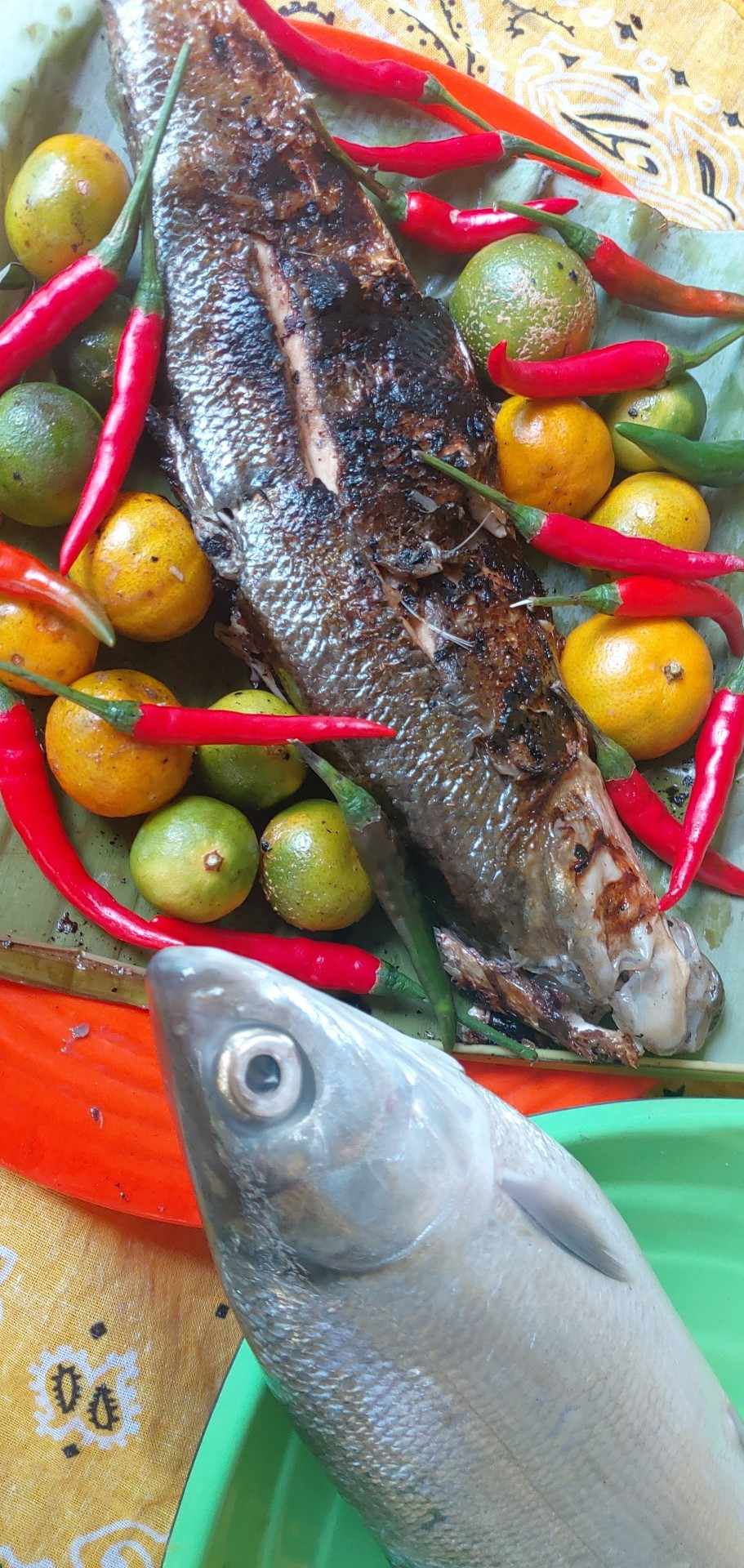
Dagupeña’s menu extends beyond seafood, but bangus, or milkfish, provides its clearest connection to Dagupan. The city’s tourism office highlights grilled bangus, fried boneless daing, and sinigang among the preparations closely associated with local food. The restaurant’s documented specialties fit within that regional vocabulary while retaining family-specific names.
Inacia’s sinigang ya bangus
The 2024 Inquirer feature lists Inacia’s “sinigang ya bangus” as one of two dishes named for the founder. The 2005 Philippine Star article rendered a similar name as “sinigang a bangus.” Both describe milkfish in a sour broth, a preparation also identified by Dagupan’s tourism office as a local favorite. The exact current ingredients and serving size are not published in a verifiable official menu, so visitors should ask the restaurant what version is being served.
Daing na bangus
Daing na bangus appears repeatedly in reporting on Dagupeña. The Philippine Star noted ready-to-cook bangus daing among the restaurant’s offerings in 2005, while the Inquirer identified boneless daing na bangus as a favorite in 2024. Dagupan’s tourism office describes fried boneless daing as one of the city’s familiar bangus preparations. Methods vary, and the available sources do not establish the restaurant’s present marinade or drying process, so it would be misleading to invent one.
Fisherman’s Soup
Fisherman’s Soup has one of the clearest historical descriptions. The Philippine Star’s 2005 feature described a ginger-flavored broth with mussels, crab, shrimp, and malunggay leaves. A 2006 report mentioned crab, shrimp, and clams. The seafood mix may have varied, but both accounts place shellfish and ginger at the center of the dish. Its present composition should be confirmed when ordering.
Binagoongang crispy pata
The Inquirer lists binagoongang crispy pata among the restaurant’s established offerings, and the 2006 Philippine Star article called it a house specialty. The name brings together crispy pata, usually pork knuckle cooked for a crisp exterior, and bagoong, the fermented seafood condiment central to Pangasinan cooking. The sources confirm the dish’s place on Dagupeña’s menu, but do not provide a current recipe or portion size.
Bai Inacia’s adobo and older staples
Bai Inacia’s adobo is the other founder-named dish identified by the Inquirer. The same report connects the early menu with egado, relleno, pancit sabaw, and dinuguan. These dishes show that Dagupeña’s heritage is broader than one signature plate. It rests in a group of Filipino and Pangasinan preparations that remained recognizable as the menu expanded to include crispy shrimp, escabeche, kare-kare, caldereta, and several styles of bangus.
Editorial image placeholder: Verified photograph of Inacia’s sinigang ya bangus or daing na bangus. Do not substitute an unrelated dish.
Why bangus matters here
Dagupan’s relationship with milkfish is economic as well as culinary. The city government describes Dagupan as crossed by rivers and creeks and known for pond-raised bangus. The Department of Agriculture identifies Pangasinan as a major center for aquaculture, with milkfish production supporting food supply, trade, and local livelihoods.
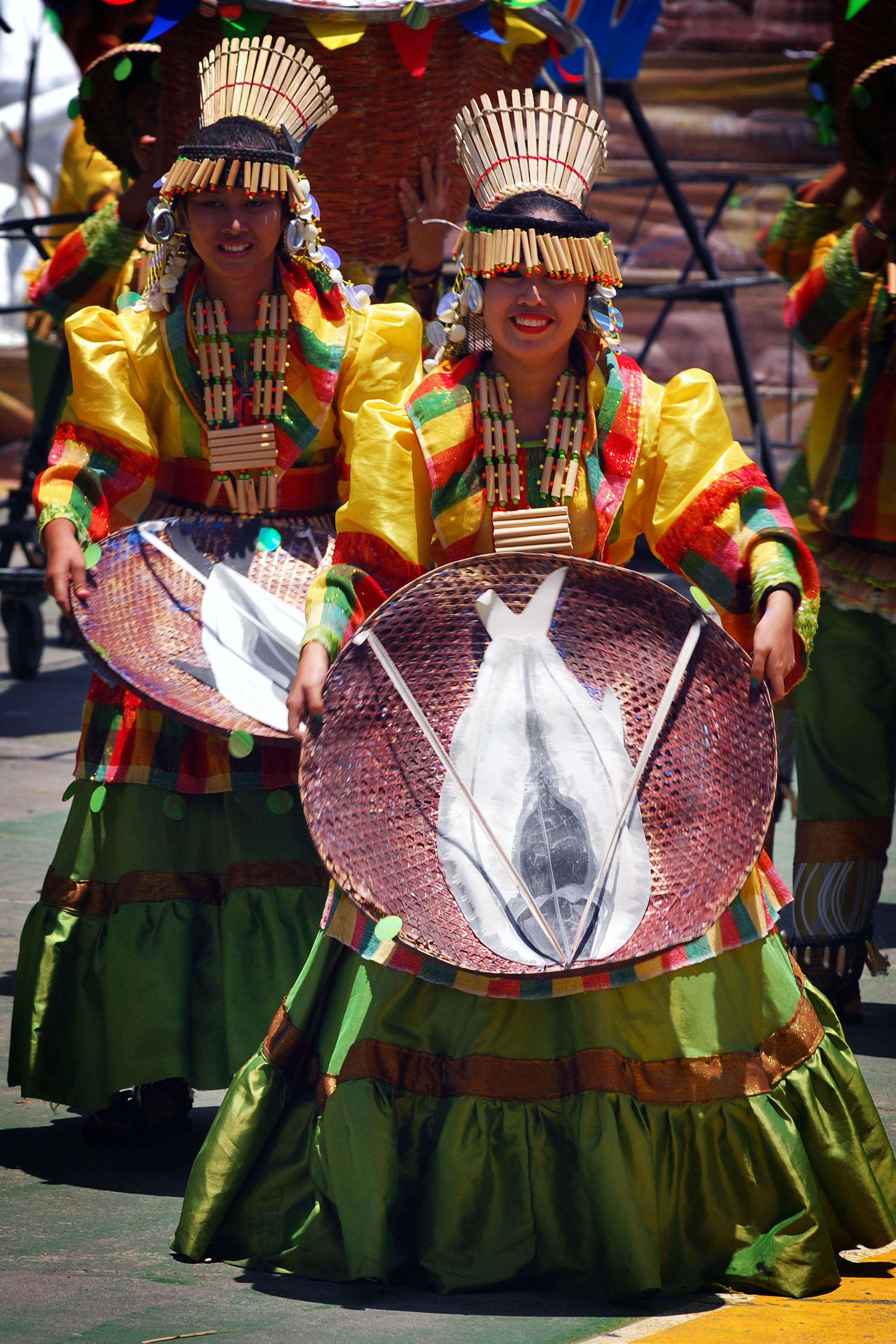
The fish also shapes public culture. Dagupan’s Bangus Festival celebrates the industry through food events and street activities. The city regulates how locally raised and outside bangus are identified in the market, a sign that origin carries commercial meaning. In that setting, Dagupeña’s many bangus dishes are not an isolated restaurant theme. They are part of a local food system that links ponds, vendors, kitchens, and family tables.
Pangasinan’s broader food identity is often summarized through bangus, bagoong, and bocayo. The restaurant’s combination of milkfish preparations and bagoong-based dishes makes that regional connection visible without turning the menu into a museum display. These are foods sold and eaten in the present, even as the restaurant frames some of them through family history.
Planning a visit
Dagupeña appears to be operating in Calasiao at the time of research in November 2026. A current restaurant profile connected with the family lists MacArthur Highway, Calasiao 2418, Pangasinan, and the telephone number +63 75 522 2752. Map and directory services describe the location as Barangay San Miguel or the Calasiao Diversion Road corridor, near Robinsons Place Pangasinan. Because address formats differ, use the restaurant’s current map pin and call before leaving.
Recent directory listings show daily hours of 7 a.m. to 10 p.m., but Pixel Passport could not confirm those hours on a current official restaurant page. Holiday schedules and kitchen closing times may differ. The safest approach is to phone ahead, especially for a long drive or a group meal.
Current prices are not included in this draft. No dated official menu with verifiable prices was available during research. User-uploaded menus, review comments, and decade-old articles are not reliable enough to present as current pricing. Ask the restaurant for the latest menu and confirm the portion size before ordering.
A restaurant that carries its first address with it
Dagupeña will reach its centennial in 2028 if counted from the documented 1928 founding. Its history is not a straight line frozen in place. The restaurant moved from Dagupan to Calasiao, changed hands across generations, and added dishes as dining habits changed.
Its continuity lies elsewhere: in the family names attached to the menu, in the recurring accounts of slow cooking, and in the continued use of bangus and other foods that belong to Pangasinan’s daily life. The old downtown dining room is gone, but the restaurant still carries Dagupan in its name. That may be the clearest measure of what survived the move.
Practical details
- Location: Barangay San Miguel, MacArthur Highway or Calasiao Diversion Road corridor, Calasiao, Pangasinan 2418, Philippines
- Telephone: +63 75 522 2752
- Reported hours: 7 a.m. to 10 p.m. daily, unconfirmed by a current official restaurant page
- Price status: Current official prices were not verifiable as of November 4, 2026
- Before visiting: Confirm the location pin, operating hours, menu availability, prices, and any accessibility needs directly with the restaurant
More from Pixel Passport
- Luisa’s Cafe Baguio: A Historic Home of Mami, Siopao, and Local Stories
- Sarsa na Uyang: Romblon’s Traditional Shrimp Dish and the Families Keeping It Alive
- Ilocos Empanada Food Guide: Where to Eat in Batac, Laoag, and Vigan
Photo credits and research sources
Two licensed regional-context photographs are included in this draft. They do not depict Dagupeña Restaurant or its own dishes. Restaurant-specific images still require written permission or a compatible reuse license before they can be added.
- Grilled bangus in Bonuan, Dagupan City: Elmer Centeno Guevarra / Wikimedia Commons, CC BY-SA 4.0. No material edits; WordPress may generate resized derivatives.
- Bangus Festival street dancers in Dagupan City: Ranieljosecastaneda / Wikimedia Commons, CC BY-SA 4.0. No material edits; WordPress may generate resized derivatives.
- Philippine Daily Inquirer: “Dagupeña Restaurant: A century of tradition, family, flavors,” December 9, 2024
- The Philippine Star: “Always Dagupeña,” December 15, 2005
- The Philippine Star: “Bangus, puto, oysters & Joseph Estrada,” March 26, 2006
- The Pangasinan Star: “A city landmark closes,” November 30, 2005
- Dagupan City Government: About Us
- Dagupan City Government: Tourism
- Province of Pangasinan: About Pangasinan
- Department of Agriculture: Pangasinan profile
- Dagupeña Restaurant profile at 100 Years Recipes
Research accessed November 4, 2026. Directory listings were used only to cross-check current operation, address formatting, and reported hours. They were not treated as authoritative menu-price sources.


